Choosing the right senior marketing leadership is one of the most critical decisions a founder or executive can make. The right leader builds the engine for sustainable growth, while the wrong one can burn through capital with little to show for it. This decision often comes down to a key question: is now the time to hire a full-time executive, or can we achieve our goals more efficiently with an experienced, on-demand leader? The debate over a fractional CMO vs full time CMO is about more than just budget; it’s about aligning leadership with your company’s current stage, strategic needs, and operational capacity.
Making a mis-hire at the C-level is a costly mistake, not just in salary but in lost time and market momentum. A full-time CMO represents a significant, long-term commitment in salary, benefits, and equity. A fractional CMO offers a flexible alternative, providing C-level strategy and guidance without the associated overhead. This guide provides a practical, data-driven breakdown of both models, comparing them on cost, commitment, time-to-hire, and overall ROI to help you make the most informed decision for your business.
Why Consider a Fractional CMO?
For many businesses, the need for C-level marketing strategy arrives long before the budget for a full-time executive salary. The fractional model emerged to bridge this gap, offering a practical solution for companies at a key growth inflection point. Here are the primary drivers for considering this flexible approach.
- Strategic Need vs. Full-Time Cost: Many companies need C-level strategy to guide their teams and build a scalable marketing function but cannot yet justify a full-time C-suite salary, plus benefits and equity. A fractional CMO provides that strategic oversight at a fraction of the cost.
- Access to Specialized Expertise: The fractional model allows businesses to tap into senior talent with specific, hard-to-find experience—such as SaaS growth, DTC launches, or international market entry—for targeted projects and defined periods.
- Flexibility and Scalability: A fractional engagement can scale up or down with business needs. This agility is ideal for navigating market changes, managing project-based initiatives, or providing interim leadership without the rigidity of a permanent hire.
- Objective, External Perspective: Free from internal politics, a fractional leader brings fresh eyes and broad experience from multiple industries. This external viewpoint helps identify blind spots and solve complex problems with greater speed and objectivity.
Comparing a Fractional CMO vs. Full-Time CMO by the Numbers
The financial and operational differences between these two roles are significant. A direct comparison of costs, time investment, and hiring speed reveals why the fractional model is often a more capital-efficient choice for achieving specific business goals. The data highlights a clear trade-off between the deep integration of a full-time hire and the agile, cost-effective expertise of a fractional leader.
- Full-Time CMO Compensation: Total compensation for a full-time CMO can reach an average of $656,815 annually, including bonuses. This figure doesn’t account for the 0.5% to 2% equity stake common in startups or the additional 25-30% in overhead for benefits, payroll taxes, and equipment.
- Fractional CMO Retainer: A typical fractional CMO engagement costs between $6,000 and $15,000 per month. This model provides access to top-tier strategic talent with no benefits, equity requirements, or payroll taxes.
- Time-to-Hire: The hiring process for a C-level executive can take four to six months. In contrast, a vetted fractional CMO can often be sourced and onboarded in under two weeks, allowing your business to act on strategic needs immediately.
- Weekly Commitment: A full-time role implies 40+ hours per week, covering both strategic direction and daily management. A fractional CMO typically dedicates 10 to 20 hours per week, focusing purely on high-impact strategic work, team mentorship, and system building.
How to Choose: Fractional CMO vs. Full-Time CMO
Choosing the right leadership model isn’t about which is universally “better,” but which is right for your business right now. Use this framework to assess your specific needs and determine the most effective path forward. A clear-eyed evaluation of your stage, goals, and resources will point you toward the right solution.
- Assess Your Company Stage: Are you an early-stage startup focused on finding product-market fit, a scale-up formalizing processes, or an established company optimizing for efficiency? Early-stage and scale-up companies often benefit most from a fractional CMO’s ability to build a strategic foundation without the full-time cost.
- Define Your Core Need: Do you need a high-level strategist to build a marketing roadmap, mentor your team, and establish KPIs? Or do you need a hands-on leader to manage a large, existing team and oversee daily operations? The former points to a fractional hire, while the latter suggests a full-time role.
- Analyze Your Budget Realistically: Calculate the total cost of a full-time hire, including salary, bonus, equity, benefits, and recruiting fees. Compare this to a six-month fractional retainer. Your cash flow and financial runway should be a primary factor in the decision.
- Evaluate Your In-House Team: Do you have a team of capable marketers who need senior direction and mentorship to execute effectively? A fractional CMO excels in this scenario, providing leadership that elevates the entire team’s performance. If you need to build a department from scratch, a full-time hire might be necessary.
The fractional model is particularly effective when you need deep, specialized knowledge for a specific industry. Whether your focus is on compliance-heavy sectors or niche markets, you can find proven leaders like Healthcare SEO Experts, Cannabis Marketing Experts, or Real Estate SEO Experts.
Top Fractional Marketing Experts for Hire
Our network includes vetted marketing leaders with proven track records across various industries and specializations. Below are a few examples of the talent available to help you scale your business.
Troy Sandidge

Role: B2B Marketing & Growth Strategy
Snapshot: Troy is an award-winning growth strategist, fractional CMO, and business consultant with over 15 years of experience helping B2B, SaaS, tech, and mission-driven organisations build sustainable, scalable marketing systems. Known as the “Strategy Hacker®,” he uses his D.A.R.T. Marketing Methodology™ and diversified growth frameworks to improve revenue performance and strengthen brand positioning. Troy has worked with startups, SMBs, and multi-billion-dollar enterprises, leading go-to-market strategy, growth marketing, and high-level operations. His background spans social media, content, demand generation, and operations, giving him a broad, strategic view of how all parts of marketing work together.
Core Strength: High-impact growth and brand strategy for B2B and SaaS.
Best For: B2B tech, SaaS, startups, and organisations in a season of scaling or repositioning.
Pourmehr Sarram

Role: Growth Strategy / Interim CMO
Snapshot: Pourmehr is a growth strategist and interim CMO with extensive experience advising B2C brands, particularly in tech, e-commerce, and subscription-based models. He has led strategy for well-known companies such as Uber Eats in Latin America and has worked across tech services including SquareTrade and Zinc. Pourmehr also founded a Y Combinator–backed B2B2C FinTech startup supported by leading investors, giving him first-hand founder and operator experience. He focuses on building clear, data-backed growth plans that link acquisition, retention, and product strategy, helping teams prioritise what truly moves the needle.
Core Strength: Strategic B2C growth planning for tech and e-commerce brands.
Best For: Mobile applications, consumer tech, e-commerce, and subscription businesses needing senior-level growth direction.
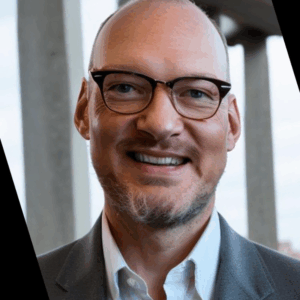
Bryan McCarter
Role: Brand Marketing, Strategy & Growth
Snapshot: Bryan McCarter is a marketing leader with experience spanning both large enterprises and high-growth SMBs and startups. He has built and run a high-performance digital operation for a $15B multinational company and previously served as Head of Digital at Electrolux and Chief Marketing Officer at Vishion. Bryan focuses on combining brand strategy with performance-oriented growth marketing, creating systems that support both long-term positioning and near-term revenue goals. He’s comfortable owning strategy and execution, guiding teams through digital transformation, channel optimisation, and scalable growth programmes across web, paid media, and product-led initiatives.
Core Strength: Strategic and growth-focused digital marketing leadership across brand and performance.
Best For: Mobile applications, B2B tech, consumer tech, e-commerce, and other growth-minded companies needing senior strategic guidance.
Alan Duvall

Sem (Google) Paid Social (Fb)
Alan is a senior marketing strategist with extensive hands-on expertise in paid search and paid social marketing. He develops and manages high-impact campaigns on platforms like Google, Bing, Facebook, Instagram, and Twitter, driving measurable growth for B2B tech and e-commerce companies. As an interim CMO or Head of Growth, Alan provides both high-level strategy and tactical execution, ensuring that marketing initiatives are directly tied to revenue goals. His approach combines data-driven optimization with a deep understanding of customer acquisition funnels, making him an effective leader for businesses looking to scale their paid marketing efforts efficiently.
Core Strength: Strong sem (google) paid social (fb) fundamentals.
Best For: Best for B2B Tech, E-Commerce.
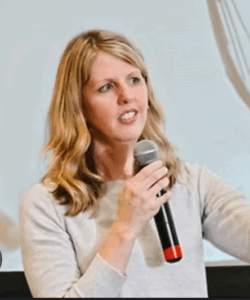
Aleassa Schambers
Strategy (Interim Cmo/ Head Of Growth)
Aleassa is a highly experienced B2B CMO who helps growth-stage companies clarify their positioning and align marketing with revenue goals. She specializes in building structure and focus for go-to-market strategies, moving marketing from a cost center to a predictable growth engine. Aleassa is not just a strategist; she has built and led in-house teams, launched brands, and driven tangible business growth. Her expertise also covers corporate communications, including analyst relations and media relations. She excels in fractional roles where she can partner with founders to guide teams and implement systems that deliver results.
Core Strength: Strong strategy (interim cmo/ head of growth) fundamentals.
Best For: Best for SaaS, Software, Consulting/Services, Security.
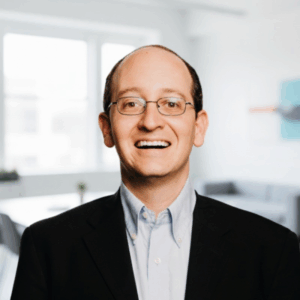
Matthew Silverman
Role: Strategy, Demand Generation & SEO
Snapshot: Matthew Silverman has been practising digital marketing for nearly 20 years, working with agencies, brands, and startups as a strategist, operator, and fractional CMO. His expertise spans SEO, search ads (Google and Bing), social ads, and holistic digital strategy, with a strong focus on demand generation and B2B lead capture. Matthew has deep experience in fintech, crypto, insurance, healthcare, and broader B2B tech and e-commerce, where he helps organisations build predictable pipelines and improve the quality of inbound demand. Positioning himself as a “digital marketing fiduciary,” he prioritises sustainable, ROI-focused decisions rather than vanity metrics, ensuring that every channel supports real business outcomes.
Core Strength: Search-led demand generation and SEO-driven growth strategy.
Best For: Mobile applications, B2B tech, consumer tech, e-commerce, media, subscriptions, and especially fintech, crypto, insurance, and B2B lead generation brands seeking rigorous, performance-focused digital strategy.
Our Engagement Process
Our process is designed for speed and precision, connecting you with the right marketing leadership without the lengthy timelines of traditional recruiting.
- Submit your brief (2-minute questionnaire)
- Matchmaking call to refine scope and fit
- 48-hour shortlist of 2–5 vetted candidates
- Pilot sprint (risk-free trial), fast onboarding
The GrowTal Advantage

We provide access to top-tier marketing talent with a model built for flexibility and ROI.
- Rigorous vetting (skills-tested, reference-checked): All experts are vetted for a proven track record of driving results.
- Flexible engagement (hourly, part-time, full-time) with no hidden fees: Choose from contracts that fit your needs without long-term lock-ins.
- Coverage across SEO, content, paid, lifecycle, and interim CMOs: Our network covers the full marketing stack.
- Bottom-line focus: free rematch if the first match isn’t perfect: We stand by our matches and will rematch you at no additional cost.
Hire vetted experts through GrowTal!
Conclusion
Ultimately, the choice between a fractional and full-time CMO depends entirely on your company’s specific stage, strategic goals, and budget. A full-time CMO offers deep cultural integration and dedicated, hands-on leadership, which is invaluable for mature organizations with complex teams. In contrast, a fractional CMO provides a powerful combination of strategic expertise, speed, and cost-efficiency, making it an ideal solution for startups and scale-ups needing to achieve key milestones without the heavy investment of a full-time executive. By carefully evaluating your needs, you can select the leadership model that best accelerates your growth. The fractional CMO vs full time CMO decision is about finding the right tool for the job at the right time.
Frequently Asked Questions
What is the typical contract length for a fractional CMO?
Engagements are flexible but often start with a three- to six-month contract to achieve initial strategic goals. Many successful partnerships evolve into ongoing, long-term relationships based on continued value and business needs.
Can a fractional CMO manage our existing marketing team?
Absolutely. A key function of a fractional CMO is to provide leadership, mentorship, and strategic direction to your current team. They work to improve your team’s performance by implementing better processes and frameworks.
When should a company “graduate” from a fractional to a full-time CMO?
A company should consider hiring a full-time CMO when the role requires more than 20–25 hours per week of hands-on management. This transition also makes sense when the need for deep cultural integration becomes a primary driver for the leadership team.
How does a fractional CMO integrate with our company culture?
Fractional CMOs are experienced consultants skilled at quickly adapting to new environments. They focus on understanding key stakeholders, business goals, and team dynamics to provide value from day one, integrating through clear communication and a results-oriented approach.